Understand before concluding.
Begin with the facts, the consequence, the people closest to the work, and what remains unknown. The client should feel examined with care, not judged from a distance.
 PHILLIPS FORGETRUTH. CLARITY. ACTION.
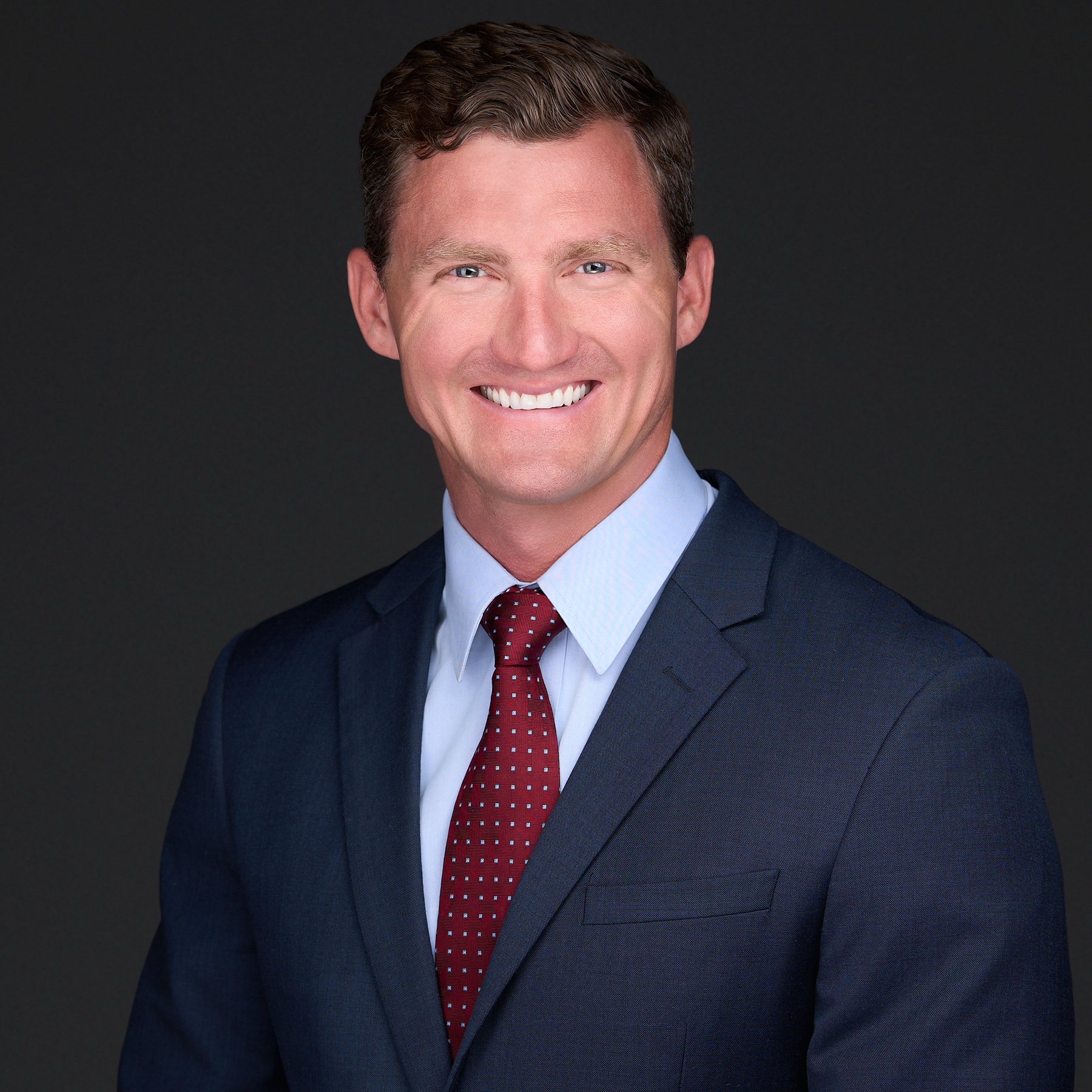
CALEB PHILLIPS · FOUNDER
Caleb Phillips founded Phillips Forge to help leaders make consequential decisions and create the conditions in which capable people can do their best work.
THE PATH
Caleb's path has taken him through West Point, nuclear engineering, Harvard, and leadership inside a Special Mission Unit.
Across those environments, he worked inside systems where preparation had to survive uncertainty, standards had to remain clear, and authority carried responsibility for both the mission and the people performing it.
The enduring lesson was not that one kind of experience contains every answer. It was that sound judgment depends on seeing reality clearly, understanding what must remain true, and giving capable people enough intent and authority to act.
That experience is context, not a claim of automatic expertise. Its value is measured by whether it helps another leader understand the work they actually own.
WHY PHILLIPS FORGE
Phillips Forge grew from a recurring observation: strong people can still struggle inside unclear priorities, unusable authority, guarded information, and decision systems that return too much work to the top.
People are not the problem. The question is whether the organization allows truth to move, makes purpose usable, places authority with responsibility, and learns as evidence changes.
Those ideas became Triple Point Leadership and the operating cycle of Truth. Clarity. Action. Together they provide a practical way to examine what must hold, what may adapt, who may act, and what the next action reveals.
Leaders shape the conditions. People create the performance.
Read the leadership philosophyHOW CALEB WORKS
The standard is demanding. The posture is collaborative. Challenge should increase the client's capacity, not make the adviser the center of the work.
Begin with the facts, the consequence, the people closest to the work, and what remains unknown. The client should feel examined with care, not judged from a distance.
Directness matters when it makes the decision clearer. The purpose is not to win an argument. It is to help capable people see more, decide better, and act responsibly.
The client owns the decision and the result. Good counsel should strengthen judgment, authority, and operating capacity rather than create dependence on the adviser.
THE WORK NOW
Choose the path that fits the situation: work on the organization, counsel for the leader, or a conversation for the room.
Work with owners and leadership teams on consequential decisions, transitions, recurring constraints, and the conditions slowing execution.
ExploreProvide private counsel to owners and senior leaders carrying decisions that cannot be delegated or productively examined in a crowded room.
ExploreLead talks, workshops, and facilitated conversations that give people practical language for truth, judgment, responsibility, and action.
ExploreSTART WITH THE WORK
Start with the organizational situation, the private decision, or the leadership question your room needs to examine.